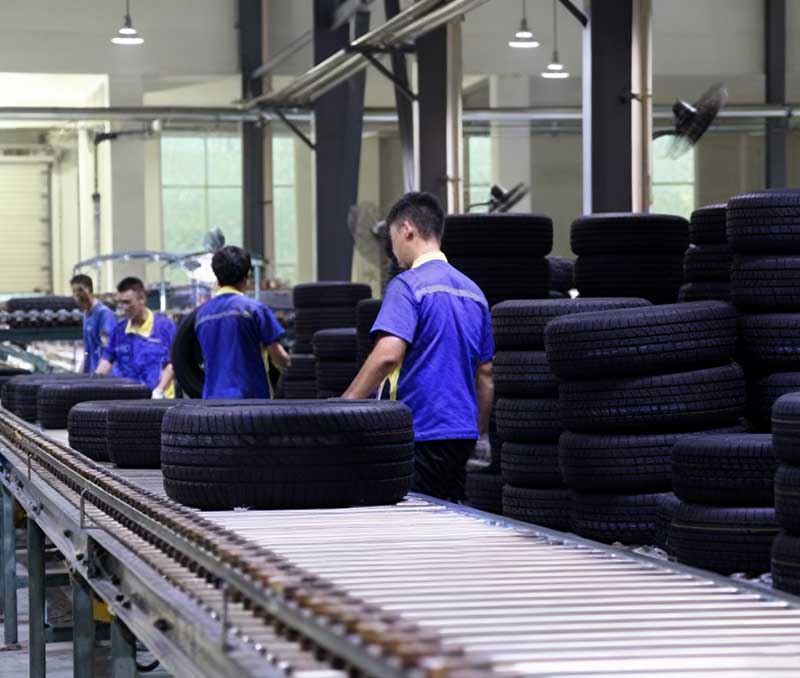
The global tire industry, long associated with fossil fuel consumption and waste, is undergoing a profound transformation. Today, leading manufacturers are investing heavily in developing sustainable tires that reduce environmental impact across their entire lifecycle—from raw materials to end-of-life recycling. This shift is driven by consumer demand, regulatory pressures, and a fundamental rethinking of circular economy principles.
Revolutionizing Raw Materials: Beyond Petroleum
The most significant innovation lies in replacing petroleum-derived materials with renewable and recycled alternatives. Research is advancing rapidly in several key areas:
· Bio-sourced Rubber: Beyond natural rubber from hevea trees, companies are commercializing rubber extracted from desert shrubs like guayule and even from dandelion roots. These sources require less land and can be grown in more temperate climates, reducing dependency on traditional rubber plantations.
· Recycled and Alternative Materials: Recycled carbon black (rCB), recovered from end-of-life tires, is being used to replace virgin carbon black, a major petroleum-based reinforcing agent. Other innovations include using silica derived from rice husks (an agricultural byproduct) and oils from soybeans or other plants to replace aromatic oils in the rubber compound.
Enhancing Efficiency: The Low Rolling Resistance Imperative
For electric vehicles, tire efficiency directly translates to extended range. Low Rolling Resistance (LRR) tires minimize the energy lost as heat when the tire flexes. Advancements in new silica compounds, tread designs, and lighter-weight constructions are pushing the boundaries of LRR without compromising wet-weather safety or longevity. This focus on efficiency reduces the overall energy consumption of all vehicles, cutting CO₂ emissions.
Closing the Loop: The Future of Tire Recycling
True sustainability requires solving the end-of-life challenge. While tire-derived fuel and civil engineering applications (like playground surfaces) are common, the future lies in material recovery at a molecular level. Advanced pyrolysis technologies can break down tires into their core components—recovered carbon black, oil, and steel—for reuse in new tires or other products. This “tire-to-tire” recycling represents the ultimate goal of a circular model, drastically reducing the need for virgin raw materials and diverting waste from landfills.
The sustainable tire is not a distant concept but a present-day engineering reality. As these technologies scale, they promise to transform the tire from a symbol of industrial consumption into a benchmark for eco-innovation in the mobility sector.
Contact Yihang Tires for your tires solutions!