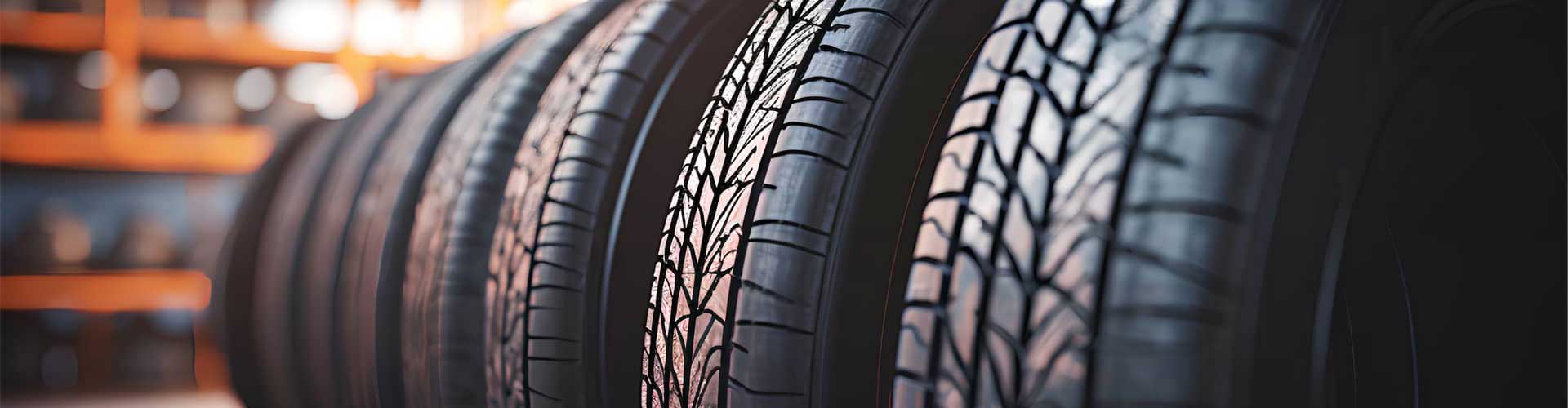
At first glance, tire tread patterns may appear purely decorative—just a series of grooves and blocks arranged around a black circle. In reality, every line, channel, and sipe serves a specific engineering purpose. The tread pattern determines how your tire interacts with the road surface, directly influencing safety, handling, comfort, and even fuel economy. Understanding these patterns helps you choose the right tire for your driving needs.
The Primary Functions of Tread
Tread patterns perform three essential jobs. First, they channel water away from the contact patch to prevent hydroplaning—a dangerous condition where the tire rides on a film of water with no direct road contact. Second, they provide biting edges that grip the road surface, especially on loose or slippery terrain. Third, they generate traction for acceleration, braking, and cornering. Without tread, a tire would be little more than a slick racing slick, useless in rain or snow.
The Anatomy of a Tread Pattern
Most modern tire treads consist of three key elements. Ribs are continuous bands of rubber running around the circumference, providing stability and straight-line tracking. Grooves are the deep channels between ribs, responsible for evacuating water. Lugs are the individual tread blocks formed by lateral cuts across the ribs. Sipes are tiny slits cut into the lugs, which open up as the tire rolls, creating additional biting edges for snow and wet traction.
The arrangement of these elements defines the tire’s personality. A symmetrical pattern—identical on both halves of the tread—is simple and quiet, ideal for standard all-season tires. An asymmetrical pattern features different designs on the inner and outer shoulders, combining wet-weather evacuation on the inside with dry-grip stability on the outside. A directional pattern uses V-shaped grooves that point forward, efficiently pumping water outward from the center, making it excellent for heavy rain.
Summer vs. Winter vs. All-Season Treads
Summer tires typically feature large, stiff tread blocks with shallow grooves. This design maximizes rubber-to-road contact for exceptional dry grip and responsive handling. However, the limited void space means poor performance in snow or standing water.
Winter tires take the opposite approach. Deep, widely spaced grooves and thousands of tiny sipes create a tread that bites into snow and ice. The high void ratio allows snow to pack into the grooves, where snow-on-snow contact actually provides better grip than rubber on ice. Winter treads remain flexible in freezing temperatures, but their aggressive pattern generates road noise and reduces dry-road stability.
All-season tires attempt a compromise. Moderate groove depth, balanced void ratios, and modest sipping provide acceptable performance across a range of conditions. They handle rain competently, offer reasonable snow traction, and maintain quiet, comfortable highway cruising. They master nothing but fail at nothing—a practical choice for most drivers.
Tread Wear and Replacement
As tires wear, tread depth decreases and the pattern gradually disappears. At 1.6 millimeters—the legal minimum in many jurisdictions—the built-in wear bars become flush with the surrounding rubber. Continuing to drive on worn tread invites hydroplaning, longer stopping distances, and reduced grip. For safety in wet conditions, consider replacing tires when tread reaches 3 millimeters.
Choosing the right tread pattern transforms your vehicle’s character. A quiet, symmetrical tread delivers serene commuting. An aggressive directional pattern inspires confidence in torrential rain. A blocky winter tread conquers snow and ice. Your tires speak the language of the road—learn to listen.
📞 Contact us–Yihang Tires for expert advice and the best tyre solutions for your vehicle’s needs!