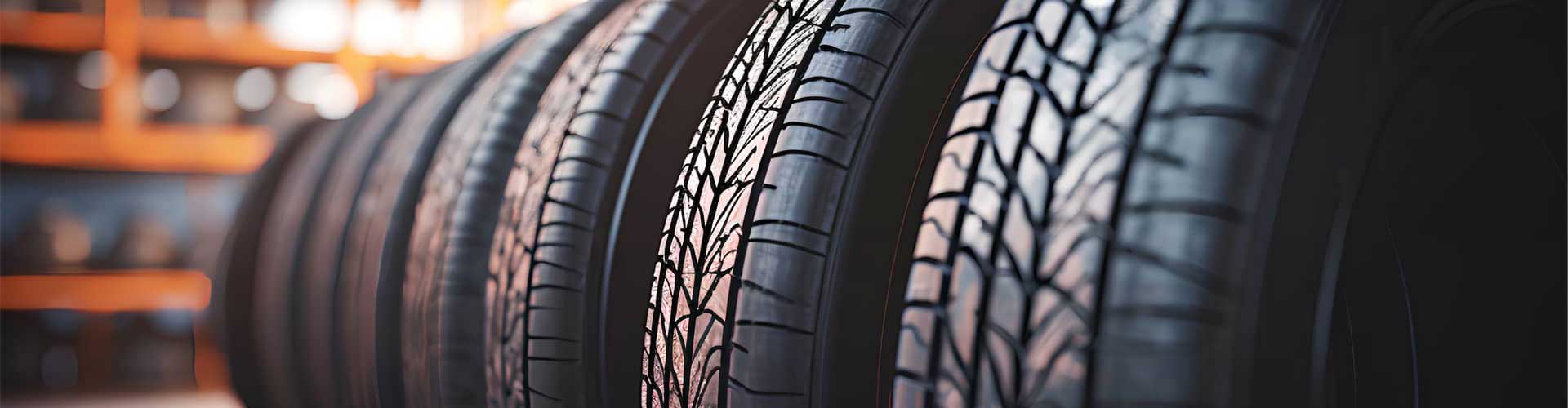
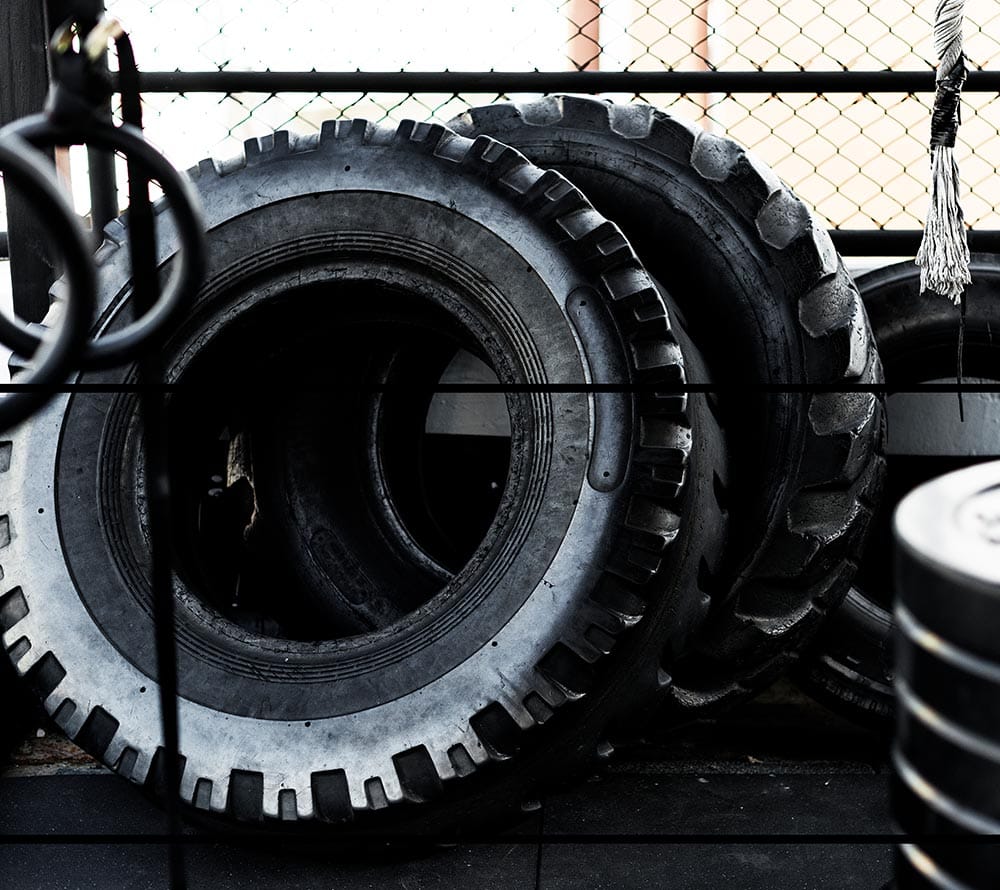
Every tire tells a story that extends far beyond the road it travels. From the extraction of raw materials to its eventual disposal, a tire’s lifecycle carries significant environmental implications. Understanding this journey reveals why the industry is racing toward sustainability and what it means for consumers.
The Beginning: Raw Materials
A typical tire begins as a complex mixture of approximately 200 different materials. Natural rubber, tapped from rubber trees primarily in Southeast Asia, provides elasticity and resilience. Synthetic rubber, derived from petroleum, adds durability and consistency. Carbon black, another petroleum product, reinforces the rubber and protects against UV damage. Steel forms the belts that stabilize the tread, while polyester and nylon create the internal carcass. Fabric cords, silica, and dozens of chemical additives complete the recipe.
The environmental cost of these materials is substantial. Rubber plantations have replaced vast areas of tropical forest, reducing biodiversity. Petroleum extraction and refining carry obvious carbon footprints. The manufacturing process itself requires significant energy and generates emissions.
The Manufacturing Footprint
Tire production is energy-intensive. Mixing the compounds, shaping the components, and vulcanizing the assembled tire in massive presses all consume electricity and generate heat. A typical passenger car tire requires approximately seven gallons of oil to produce—counting both raw materials and manufacturing energy. The industry produces over two billion tires annually, making its collective environmental impact impossible to ignore.
The Use Phase: Hidden Costs and Benefits
During its working life, a tire continues affecting the environment. Rolling resistance—the energy lost as heat when the tire flexes—directly influences fuel consumption. A tire with high rolling resistance can increase a vehicle’s fuel use by five to ten percent compared to an efficient model. Over the tire’s lifespan, this difference translates into hundreds of liters of fuel and corresponding CO2 emissions.
Tread wear also releases microscopic particles into the environment. These rubber compounds accumulate along roadways, wash into waterways, and contribute to airborne particulate matter. Researchers are actively studying the ecological effects of this often-overlooked pollution source.
The End-of-Life Challenge
When a tire finally wears out, its journey is far from over. In the United States alone, approximately 300 million tires reach the end of their useful life each year. Historically, these tires accumulated in massive stockpiles, creating fire hazards and breeding grounds for mosquitoes. Today, the picture has improved dramatically.
Approximately eighty percent of scrap tires now find productive use. The largest market is tire-derived fuel, where tires are burned in cement kilns and industrial boilers. Their high energy content makes them attractive substitutes for coal. However, this solution, while practical, still releases stored carbon.
More promising are material recovery applications. Ground rubber becomes playground surfaces, athletic tracks, and rubber-modified asphalt, which lasts longer and reduces road noise. Civil engineering projects use whole tires for erosion control and landfill construction.
The Circular Future
The holy grail is true tire-to-tire recycling—breaking down old tires into their constituent materials and using them to manufacture new ones. Advanced pyrolysis technologies now exist that can recover carbon black, oil, and steel from scrap tires. These recovered materials can re-enter the production stream, reducing demand for virgin resources.
Several manufacturers have already introduced tires containing significant percentages of recycled and renewable materials. Michelin aims to produce tires entirely from sustainable materials by 2050. Continental, Bridgestone, and others pursue similar goals.
What Drivers Can Do
Individual choices matter. Maintaining proper inflation reduces rolling resistance and extends tire life. Buying tires with low rolling resistance saves fuel. Properly disposing of old tires through legitimate channels ensures they enter the recovery stream rather than stockpiles or illegal dumps. When purchasing new tires, asking about recycled content sends a message to manufacturers.
The tire’s environmental journey is long and complex, but the destination is increasingly clear. Through innovation, regulation, and consumer awareness, the black circle that moves our world is slowly becoming greener.
📞 Contact Yihang Tires for expert advice and the best tyre solutions for your vehicle’s needs!